

Going for a Walk
1. Do you go for walks often?
2. Where do you walk?
3. Do you walk alone or with someone?
4. What time do you like walking?
5. Do you listen to music when you walk?
6. Do you see animals when walking?
7. Do you talk to people on your walks?
8. When did you last go for a walk?
9. Do you take your phone when you walk?
10. Do you walk fast or slowly?
11. Do you wear sports shoes?
12. Do you take water with you?
13. Do you see flowers or trees on your walk?
14. Do you like walking in parks or on streets?
15. Would you like to join a walking group?
Related Words: walk, park, alone, friend, music, animals, street, fresh air, shoes, bottle, fast, slow, morning, evening, path, trees, flowers, benches, relaxing, talk, exercise, health, view, sun, quiet, jog, breeze, steps, routine, casual
EXAMPLE ANSWERS: Going for a Walk
1. Yes, I walk every evening.
2. I walk in the park near my house.
3. I walk with my sister.
4. I like walking at 6 PM.
5. Yes, I listen to music.
6. Yes, I see dogs and cats.
7. No, I don’t talk to people.
8. I went for a walk yesterday.
9. Yes, I take my phone for music.
10. I walk slowly to relax.
11. Yes, I wear sports shoes.
12. Yes, I carry a small water bottle.
13. Yes, there are flowers and trees.
14. I prefer walking in parks.
15. Yes, I’d like to join a group.
Watch the video above and discuss what you learned from it during your Spoken Cafe session
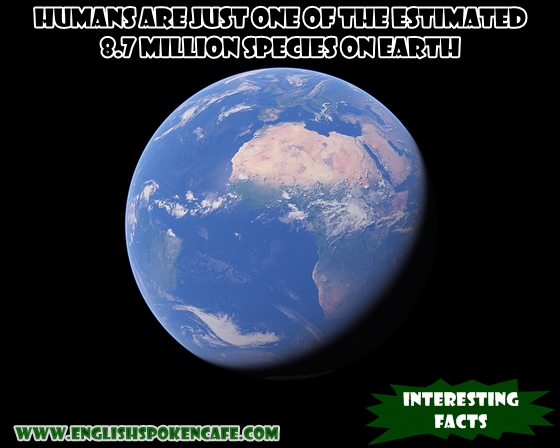
The Amazing Diversity of Life on Earth
Humans are the dominant species on Earth with our big cities and advanced technology. But we are just one species among many. According to a study published in 2011 in the journal PLoS Biology, there are 8.7 million species on our planet.
The study found that there are 7.8 million species of animals, 298,000 species of plants, 611,000 species of mushrooms, 36,400 species of protozoa, and 27,500 species of algae. But that’s not all! The study did not even include the vast number of bacteria, which means the true number of species is even higher. It’s amazing to think about all the life forms that share our world!
READ/SPEAK
Where is the best place in the world for you? What’s beautiful about that place?
Do you have a favourite flower?
Have you ever been to a zoo? Which animals did you see?
Have you ever grown a plant at home?
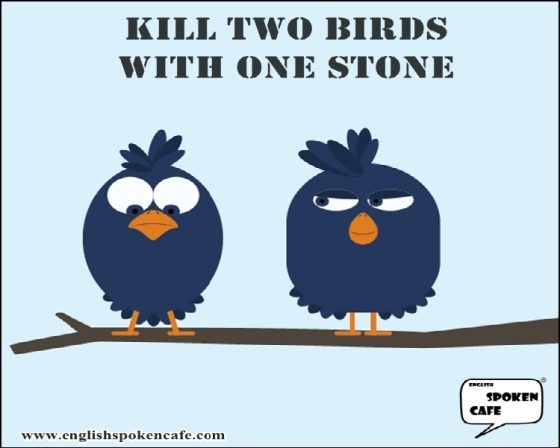
Succeed in achieving two things in a single action:
“I killed two birds with one stone and picked the kids up on the way to the supermarket.”
LEARN THE IDIOM AND SPEAK
When were you last very successful? What did you achieve?