23 September
Food and Cooking
Talk about a recent restaurant you went to. How was it different from others? Why was it good? Why was it bad?
Do you cook at home?
If yes, what can you cook well and what can’t you cook well? If not, what do you usually order?
What food, dessert, or drink have you not tried yet but want to someday?
What is your all-time favourite dish, and why do you love it?
What’s the most exotic or unusual food you’ve ever tried? Did you like it?
Do you follow any dietary restrictions or preferences? If so, why?
What’s a traditional dish from your culture that you recommend everyone try?
Do you enjoy trying street food when you travel? Why or why not?
Have you ever had a food-related disaster, like burning a dish or forgetting an ingredient? What happened?
What is the one ingredient you can’t live without in your kitchen?
What’s your go-to comfort food when you’re feeling down?
Do you think eating at home is healthier than eating out? Why or why not?
What’s a food trend you’ve noticed recently, and do you like it?
If you could create your restaurant, what kind of food would it serve?
What’s your favourite childhood memory involving food?
Related Words: food, cooking, cuisine, ingredients, recipes, dishes, flavours, spices, preparation, kitchen, meal, dining, restaurant, menu, chef, homemade, baking, grilling, frying, boiling, nutrition, healthy eating, street food, traditional dishes, international cuisine, taste, presentation, food culture, comfort food, culinary skills
Watch the videos above and discuss what you learned from them during your Spoken Cafe session

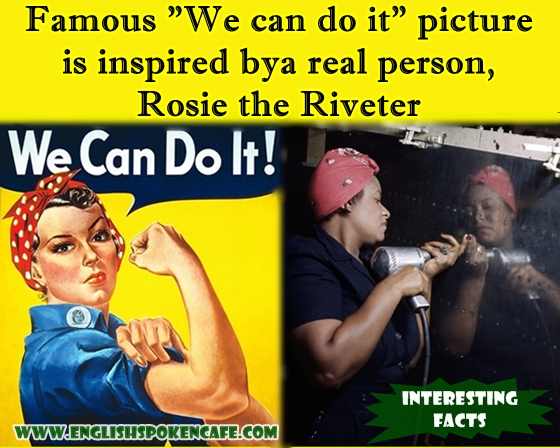
Rosie the Riveter and the Women Who Powered WWII
During World War II, many men went off to fight, leaving a big gap in the workforce. To help with the war effort, women were asked to step into jobs that were traditionally held by men. This was a time when the iconic image of “Rosie the Riveter” became famous. Rosie represented all the strong, hardworking women who took on jobs in factories and shipyards, making supplies like weapons, aircraft, and ships needed for the war.
The image of Rosie the Riveter, showing a woman wearing a blue jumpsuit and flexing her arm, became a symbol of women’s strength and independence. Her face, full of confidence and determination, inspired many women to work in industries that were once seen as jobs only for men. At the time, nearly one out of every four married women in the United States had a job outside of their homes. Many of these women worked in factories, assembling aeroplanes, bombs, and other important military supplies.
One of the most popular jobs for women was in the aviation industry, where they worked as munitions workers, assembling parts for military planes. The famous image of Rosie the Riveter is based on a munitions worker, but she was often portrayed as working in an aeroplane factory. These women were essential to the war effort, and their work helped ensure that the soldiers on the front lines had the equipment they needed to fight.
Interestingly, this image of Rosie the Riveter wasn’t the only one of women working hard during the war. In 1945, there was also a photograph taken of Queen Elizabeth II, who was then a princess, helping change the tyres of military vehicles. This photo served as a reminder that women from all walks of life were contributing to the war effort in their own way.
The work that women did during World War II changed their role in society forever. After the war, many women returned to their homes, but they had gained a new sense of confidence and independence. Their efforts were vital in helping the Allies win the war, and their contributions continue to be remembered today.
Watch the video above and discuss what you learned from it during your Spoken Cafe session
READ/SPEAK
What are the reasons women are more or less successful? Do you think there are differences between men and women in business life?
What are some traditionally male-dominated jobs today that more women are now taking on?
Do you think society still has expectations about what jobs are “for men” and “for women”? Why or why not?
Do you know anyone in your family or community who took on an unusual or unexpected job? What is their story?
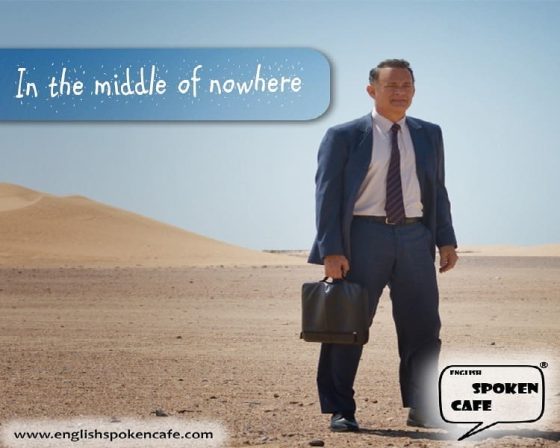
(in) the middle of nowhere:
Far away from any towns and cities, where few people live:
“He lives in a tiny house in the middle of nowhere.”
LEARN THE IDIOM AND SPEAK
Would you like to live in the country? Where would you like to live? What do you think are the advantages and disadvantages of living in the city and the country?