
25 September
Good People
Do you have good people around you?
Do you try to be a good person? What do you do to be so?
Who is the best person you have seen? What good things did he/she do?
Have you ever met someone who changed your life in a good way?
Who is the kindest person you know?
Have you ever done something good for a stranger? What was it?
Do you think being good is always the right choice? Why or why not?
What is the best thing someone has done for you?
Have you ever been inspired by a good person in history? Who?
Do you believe good people are happier? Why?
What are some good habits that make a person better?
Do you think social media helps people be good or bad? Why?
Related Words: kindness, compassion, generosity, honesty, empathy, respect, integrity, helpfulness, caring, positivity, morality, goodness, sincerity, support, trustworthiness, humility, patience, forgiveness, gratitude, fairness, responsibility, encouragement, altruism, understanding, loyalty, optimism, benevolence, virtue, inspiration, goodwill
Watch the video above and discuss what you learned from it during your Spoken Cafe session
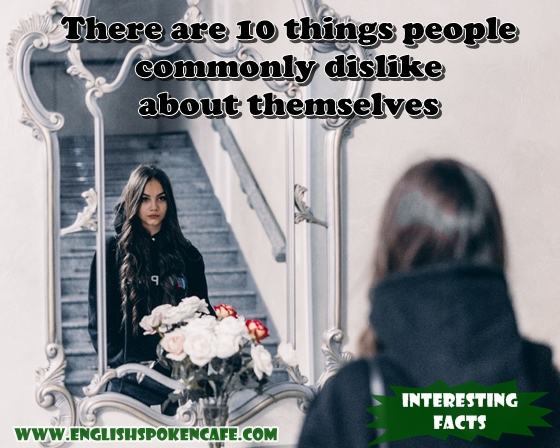
What People Dislike Most About Themselves: Findings from a YouGov Personality Survey
A personality survey conducted by YouGov, which included responses from 2,242 adults, revealed the top 10 things people dislike most about themselves. While some answers were more commonly shared, others highlighted personal struggles and insecurities. Interestingly, 11% of participants stated they didn’t dislike anything about themselves. Here’s a look at the most common self-criticisms:
Their weight (51%). The most common self-dislike was related to weight, with more than half of the respondents expressing dissatisfaction with their bodies.
The way they sometimes treat their family (14%). Many people felt guilty about their behaviour toward family members, reflecting concerns about relationships with loved ones.
The way they sometimes treat their partner (13%). Similarly, treating a partner poorly was a point of dissatisfaction for many individuals.
The first impression they give (11%). A significant number of people were unhappy with the way they came across to others, especially when meeting them for the first time.
The way they dress (10%). Personal appearance, particularly in terms of clothing choices, was another source of self-criticism.
Their job (9%). Some respondents expressed dissatisfaction with their current job or career situation.
Their personality (9%). Some people were critical of their own personalities, wishing they could change certain aspects of themselves.
The way they sometimes treat strangers (9%). Concerns about how they interact with unfamiliar people, whether through rudeness or indifference, were mentioned by several participants.
The way they sometimes treat their friends (9%). People also felt guilty about how they sometimes behave toward their friends, possibly reflecting instances of selfishness or thoughtlessness.
Their current school or alma mater (5%). Interestingly, a small group of respondents disliked their school or alma mater, possibly reflecting dissatisfaction with their education or memories associated with it.
These findings highlight common areas where individuals experience dissatisfaction, particularly body image, relationships, and self-image.
Watch the video above and discuss what you learned from it during your Spoken Cafe session
READ/SPEAK
What do you dislike most about yourself? What do you do to change this side of
Are you happy with your current job? If not, what would you like to change?
Do you ever feel unhappy with your personality? What would you like to change about it?
What are some things you do to improve your self-image or body image?
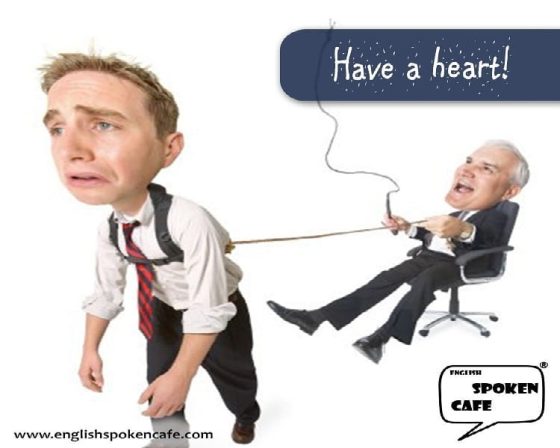
Used to ask someone to be kinder to you:
“Don’t make me write it again! Have a heart!”
LEARN THE IDIOM AND SPEAK
Do you sometimes help other people? When was the last time you helped a stranger?